10 March 2026 · By Dr. Aishwarya Ballal · 3 min read
What is Panchakarma? A Complete Guide to Ayurvedic Detoxification
Learn about Panchakarma — the five Ayurvedic detox therapies that cleanse your body, restore balance, and promote lasting health. A comprehensive guide by Dr. Aishwarya Ballal.
Have you been feeling sluggish, bloated, or constantly tired despite trying various remedies? Your body might be signaling that it needs a deep cleanse — not just on the surface, but at the cellular level. This is where Panchakarma, the ancient Ayurvedic detoxification system, can make a transformative difference.
What Does Panchakarma Mean?
The word Panchakarma comes from Sanskrit: “Pancha” (five) + “Karma” (actions or procedures). It refers to five therapeutic procedures that systematically cleanse the body of accumulated toxins — known as Ama in Ayurveda.
Think of it as a deep reset for your body. Just as you service your car regularly to keep it running smoothly, Panchakarma services your body’s internal systems.
The Five Therapies
-
Vamana (Therapeutic Emesis) — Controlled therapeutic process to eliminate excess Kapha dosha. Particularly beneficial for respiratory conditions and allergies.
-
Virechana (Therapeutic Purgation) — Cleanses the liver and digestive tract of excess Pitta dosha. Effective for skin conditions and digestive disorders.
-
Basti (Medicated Enema) — Considered the king of Panchakarma therapies, Basti balances Vata dosha and is highly effective for joint pain, neurological conditions, and chronic constipation.
-
Nasya (Nasal Therapy) — Medicated oils administered through the nose to cleanse the head and sinus region. Helps with headaches, sinusitis, and mental clarity.
-
Raktamokshana (Blood Purification) — Blood cleansing therapy for skin diseases and inflammatory conditions.
Who Should Consider Panchakarma?
Panchakarma can benefit almost anyone, but it’s particularly helpful if you experience:
- Chronic fatigue or low energy
- Digestive issues (bloating, acidity, constipation)
- Joint pain or stiffness
- Skin problems (acne, eczema, psoriasis)
- Stress, anxiety, or sleep issues
- Frequent colds or low immunity
- Weight management challenges
What to Expect During Treatment
A Panchakarma program at Shathayu Ayurveda Clinic typically follows three phases:
Phase 1: Preparation (Purvakarma)
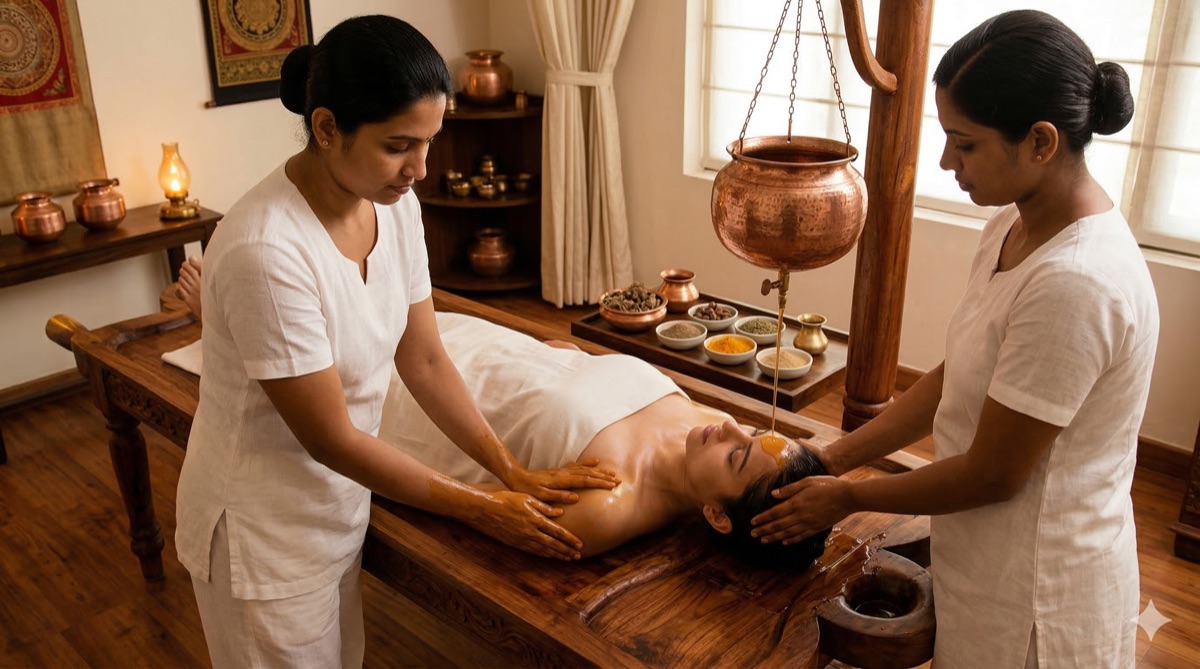
Your body is prepared for detoxification through internal oleation (drinking medicated ghee) and external treatments like Abhyanga (oil massage) and Swedana (steam therapy). This loosens toxins embedded deep in your tissues.
Phase 2: Main Treatment (Pradhanakarma)
The specific Panchakarma therapies prescribed for your condition are administered over several days.
Phase 3: Rejuvenation (Paschatkarma)
Post-treatment care includes a carefully planned diet, herbal supplements, and lifestyle modifications to help your body rebuild and maintain the benefits of the cleanse.
How Long Does Panchakarma Take?
A complete Panchakarma program typically lasts 7 to 21 days, depending on your health condition and the specific therapies required. During your initial consultation, Dr. Aishwarya Ballal will assess your needs and recommend the ideal duration.
Is Panchakarma Safe?
When performed by a qualified Ayurvedic physician, Panchakarma is safe and effective. At Shathayu Ayurveda Clinic, every treatment is supervised by Dr. Aishwarya Ballal (BAMS, FAGE), ensuring the highest standards of care and safety.
Interested in Panchakarma? Book a consultation with Dr. Aishwarya Ballal to find out if it’s right for you, or contact us with any questions.