5 मार्च 2026 · Dr. Aishwarya Ballal द्वारा · 12 मिनट पढ़ें
10 Ayurvedic Ways to Support Your Immunity Naturally
Support your immune system naturally with these time-tested Ayurvedic practices, herbs, and lifestyle tips recommended by Dr. Aishwarya Ballal.
Reviewed by Dr. Aishwarya Ballal
This article is for general education and should not replace a personal medical consultation, diagnosis, or emergency care.
In my years of clinical practice, one question has come up often: “Doctor, how can I support my immunity?” The answer, according to Ayurveda, lies not in any single pill or supplement but in a holistic approach to building vitality. Ayurveda calls this vital essence Ojas — and supporting it is central to immune resilience.
Modern medicine views immunity through white blood cells, antibodies, inflammatory pathways, and the lymphatic system. Ayurveda adds another lens: Vyadhikshamatva, or resilience, is influenced by balanced doshas, strong digestive fire, healthy tissues, and a calm, settled mind.
Understanding Ojas: The Foundation of Immunity
Ojas is described in classical Ayurvedic texts as the finest essence produced at the end of the entire digestive and metabolic chain. When you eat nourishing food, digest it completely, and your seven tissue layers (Dhatus) are properly formed, the final product is Ojas — a subtle, luminous substance that resides in the heart and pervades the entire body.
When your Ojas is strong, you experience:
- Physical resilience: You may feel more robust and recover better
- Mental clarity and emotional stability: A calm, contented mind that handles stress well
- Radiant complexion and bright eyes: Ojas literally gives you a healthy glow
- Strong digestion and regular elimination: Your body processes everything efficiently
- Deep, restful sleep: You wake feeling genuinely refreshed
When Ojas is depleted — by chronic stress, poor diet, irregular routines, excessive screen time, lack of sleep, or overwork — many people feel more vulnerable, depleted, or slow to recover.
The good news is that Ayurveda provides a comprehensive, practical toolkit for rebuilding and protecting Ojas. Here are ten time-tested practices you can begin incorporating today.
10 Ayurvedic Immunity Boosters
1. Chyawanprash: The Ancient Immunity Jam
Chyawanprash is Ayurveda’s most celebrated Rasayana (rejuvenative) preparation. This dark, sweet-sour herbal jam contains Amla (Indian gooseberry) as its primary ingredient, along with over 40 herbs, ghee, sesame oil, and honey. Its origins trace back thousands of years to the sage Chyawan, who is said to have regained youthful vitality through this formulation.
How it works: Amla is a vitamin C-rich fruit and antioxidant. Combined with Pippali (long pepper), Guduchi, Ashwagandha, and other herbs, Chyawanprash is traditionally used to nourish the Dhatus, support Ojas, and support respiratory and digestive wellness.
How to take it: Consume 1-2 teaspoons every morning on an empty stomach, followed by a cup of warm milk. During cold and flu season, or when you feel run down, you can take an additional teaspoon in the evening. Children over five can take half a teaspoon daily. Choose a high-quality, traditionally prepared Chyawanprash without artificial preservatives.
2. Tulsi (Holy Basil): The Sacred Immunity Herb
Tulsi (Ocimum sanctum) holds a unique place in both Indian culture and Ayurvedic medicine. Revered as “The Queen of Herbs,” Tulsi is classified as a Rasayana with specific affinity for the respiratory system and immunity.
How it works: Tulsi is a natural adaptogen traditionally used to help the body respond to physical, metabolic, and emotional stress. From an Ayurvedic perspective, Tulsi helps clear excess Kapha from the lungs, kindles Agni, and supports Rakta Dhatu.
Simple Tulsi tea recipe: Boil 8-10 fresh Tulsi leaves (or 1 teaspoon dried Tulsi) in 2 cups of water. Simmer for 5 minutes. Strain, add a half teaspoon of honey once lukewarm, and a squeeze of lemon. Drink this daily in the morning or early afternoon. During seasonal changes, add a pinch of black pepper and fresh ginger for enhanced effect.
3. Ashwagandha: The Strength Builder
Ashwagandha (Withania somnifera) literally means “the smell of a horse” — implying that it grants the strength and vitality of one. It is the foremost Balya (strength-promoting) and Rasayana herb in Ayurveda.
How it works: Ashwagandha is traditionally used to nourish depleted Ojas and support stress resilience. Modern research suggests it may support cortisol patterns and immune markers in some people. It is especially considered for those depleted by chronic stress, overwork, or prolonged illness.
How to take it: Mix half a teaspoon of Ashwagandha Churna (powder) in a cup of warm milk with a pinch of nutmeg before bed. The warm milk acts as an Anupana (carrier) that enhances absorption and directs the herb’s action toward deeper tissues. Consult your Ayurvedic physician for the appropriate dosage and duration for your constitution.
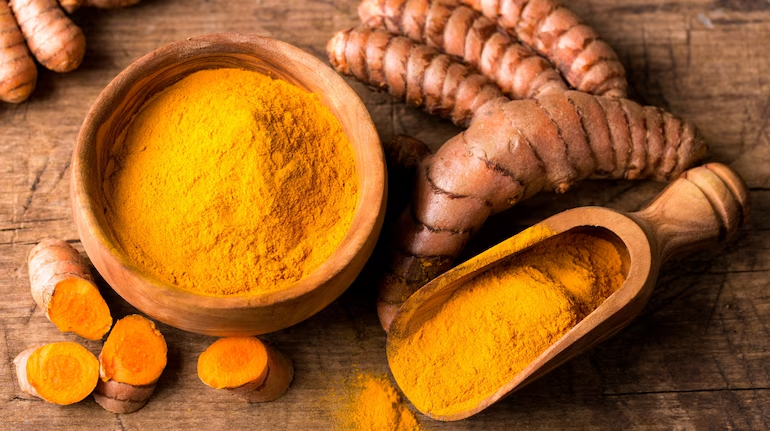
4. Turmeric Milk (Haldi Doodh): The Golden Elixir
Turmeric milk, known as “Golden Milk” in the West, has been a household immunity remedy in India for generations. Turmeric (Haridra) is described in Ayurveda as a blood purifier, anti-inflammatory, and channel-clearing herb that benefits virtually every system in the body.
How it works: The active compound curcumin has been studied for immune and inflammatory pathways. In Ayurvedic terms, turmeric supports Ama clearance, Rasa and Rakta Dhatus, and healthy Agni.
Golden Milk recipe: Warm one cup of whole milk (cow’s milk, or almond milk as an alternative). Add half a teaspoon of turmeric powder, a pinch of black pepper (this increases curcumin absorption by up to 2,000%), a quarter teaspoon of ghee, and a small pinch of cardamom. Stir well and drink warm, ideally 30 minutes before bed. The ghee is essential — it is a fat-soluble carrier that helps turmeric cross the cell membrane.
5. Dinacharya: The Daily Routine That Builds Resilience
Dinacharya — the Ayurvedic daily routine — is not merely a set of habits. It is a deliberate alignment of your body’s rhythms with the cycles of nature. When your sleep-wake cycle, meal times, and activity patterns follow a predictable rhythm, your nervous, endocrine, and immune systems may function more steadily.
Key Dinacharya practices for immunity:
- Wake early when possible and begin with a glass of warm water
- Tongue scraping every morning to remove Ama that accumulates overnight on the tongue
- Oil pulling with sesame oil for 5-10 minutes to support oral hygiene
- Regular meal times: Eat your largest meal at midday when Agni is strongest, and a lighter dinner by 7 PM
- Wind down by 9:30 PM and sleep by 10 PM: The 10 PM - 2 AM window is traditionally considered important for repair and recovery
The consistency of Dinacharya is what gives it power. Even adopting three or four of these practices and following them daily may support energy, digestion, and resilience within a few weeks.
6. Pranayama: Breathing for Immune Strength
Pranayama — the science of breath regulation — directly influences Prana, the vital life force connected with vitality and mental clarity. Breath practices can support respiratory comfort and nervous-system balance.
Three Pranayama practices for immunity:
-
Kapalabhati (Skull-Shining Breath): Sit erect and perform rapid, forceful exhalations through the nose while allowing passive inhalations. Start gently. Avoid if you have high blood pressure, heart concerns, pregnancy, hernia, recent surgery, or dizziness.
-
Nadi Shodhana (Alternate Nostril Breathing): Balances the left and right energy channels, calms the nervous system, and creates the internal equilibrium that supports strong immunity. Practice 10-15 rounds daily.
-
Bhastrika (Bellows Breath): A vigorous practice that generates internal heat and energizes the body. Learn it from a qualified teacher and avoid it if you have high blood pressure, heart concerns, pregnancy, or dizziness.
Begin with just 10 minutes of gentle Pranayama each morning. Consistency matters more than intensity.
7. Abhyanga: Self-Massage for Deep Nourishment
Abhyanga — warm oil self-massage — is described in classical texts as a nourishing practice for Vata balance, fatigue, sleep, and skin health.
How it works: The skin is the body’s largest organ and an important barrier. Warm oil massage nourishes the skin, supports circulation, and can calm stress physiology through rhythmic touch.
Self-Abhyanga practice: Warm a quarter cup of sesame oil (for Vata and Kapha constitutions) or coconut oil (for Pitta constitutions). Apply oil to the entire body, using long strokes on the limbs and circular motions on the joints. Massage the abdomen gently in a clockwise direction. Spend extra time on the soles of the feet, the scalp, and the ears. Leave the oil on for 15-20 minutes, then bathe with warm water. Practice daily or at least three times per week.
8. Ritucharya: Eating with the Seasons
Ritucharya — seasonal regimen — is one of Ayurveda’s sophisticated contributions to preventive health. The principle is straightforward: each season has a dominant dosha influence, and your diet and lifestyle should adjust accordingly to maintain balance.
Seasonal immunity guidelines:
-
Winter and early spring (Kapha season): Favour warm, light, spiced foods. Include ginger, black pepper, cinnamon, and honey. Reduce cold, heavy, and sweet foods. This is the time to be most diligent with Pranayama and physical exercise.
-
Summer (Pitta season): Favour cooling, hydrating foods — cucumber, coconut water, coriander, fennel, sweet fruits. Reduce spicy, sour, and fermented foods. Use cooling oils like coconut for Abhyanga.
-
Monsoon and autumn (Vata season): Favour warm, moist, grounding foods — soups, stews, ghee, root vegetables. This is the most important time for regularity in routine. Avoid raw, cold foods and excessive travel or stimulation.
A seasonal support practice: At each seasonal transition, some people use Trikatu Churna with honey before meals for one to two weeks to kindle Agni. This is not suitable for everyone, especially those with acidity, ulcers, pregnancy, or heat-aggravated conditions.
9. Proper Sleep Hygiene: Rest as Medicine
Ayurveda lists Nidra (sleep) as one of the three pillars of life (Trayopastambha), alongside food and regulated sexual energy. Adequate, timely sleep is not optional for immunity — it is foundational.
How it works: During deep sleep, the body supports immune signaling, repair, and recovery. In Ayurvedic terms, sleep is when Kapha dosha performs its nourishing functions and Ojas is replenished.
Ayurvedic sleep practices:
- Maintain a consistent sleep schedule: Sleep by 10 PM and wake by 6 AM. This aligns with the natural doshic cycles and ensures you get the most restorative sleep.
- Avoid stimulation after 8:30 PM: Screens, intense conversations, and heavy meals all disturb Vata and make it difficult to fall into deep sleep.
- Drink Ashwagandha milk or nutmeg milk before bed: Warm milk with a quarter teaspoon of nutmeg powder is a time-tested Ayurvedic sleep aid.
- Massage the soles of your feet with warm oil: This draws excess Vata downward and induces calm. Even five minutes makes a noticeable difference.
- Keep the bedroom cool, dark, and uncluttered: Your sleeping environment directly affects the quality of rest.
If you consistently sleep less than seven hours per night or regularly wake feeling unrefreshed, sleep should be part of your health plan — supplements alone are unlikely to compensate.
10. Agni Maintenance: Guard Your Digestive Fire
In Ayurveda, the health of Agni (digestive fire) is considered central to overall health and immunity. If your digestion is weak, nutrient extraction, tissue nourishment, and Ojas production may be affected.
Signs of weakened Agni: Bloating after meals, coated tongue, low appetite, fatigue after eating, irregular elimination, frequent colds and infections, brain fog.
How to strengthen Agni:
- Eat only when genuinely hungry. This means the previous meal has been fully digested. Eating out of habit, boredom, or emotion puts undigested food on top of partially digested food, creating Ama.
- Sip warm water throughout the day. Cold water and iced drinks douse Agni. Warm or room-temperature water supports it.
- Use digestive spices generously: Cumin, coriander, fennel, ginger, turmeric, black pepper, and asafoetida (Hing) are all Agni-kindling spices. A simple practice is to chew a thin slice of fresh ginger with a pinch of rock salt and a squeeze of lime 15 minutes before your main meals.
- Avoid incompatible food combinations (Viruddha Ahara): The most common problematic combinations include fruit with meals, milk with fish or sour foods, and honey cooked at high temperatures.
- Practice mindful eating: Sit down, eat without screens, chew thoroughly, and stop when you are three-quarters full. This sounds simple but profoundly impacts how well your body processes food.
When to Seek Professional Ayurvedic Consultation
These ten practices form a useful foundation for immune resilience. However, there are situations where personalized guidance from a qualified Ayurvedic physician makes a meaningful difference:
- Recurrent infections (more than 4-5 colds or infections per year) suggest a deeper doshic imbalance that needs individual assessment
- Chronic fatigue or prolonged recovery from even minor illnesses
- Autoimmune conditions, where the immune system needs careful rebalancing rather than simple “boosting”
- Post-illness recovery, especially after prolonged antibiotic use, surgery, or serious illness
- Seasonal allergies that worsen each year despite general precautions
- Digestive issues that persist despite dietary changes and may need supervised assessment
- Children or elderly family members who need age-appropriate dosages and constitutional assessment before starting herbal supplements
In these cases, a thorough Prakriti (constitution) assessment and Nadi Pariksha (pulse diagnosis) allows your Ayurvedic doctor to identify the specific imbalances affecting your resilience and design a targeted care plan — which may include Rasayana therapies, Panchakarma procedures, and customized herbal formulations.
Start Where You Are
You don’t need to adopt all ten practices at once. Choose two or three that resonate with you — perhaps Tulsi tea in the morning, a consistent sleep time, and mindful eating — and practice them consistently for a month. Once they become natural, add another. Ayurveda is a gradual path, and small, sustained changes often work better than ambitious overhauls that last a week.
Your body has an extraordinary capacity to recover and protect itself. Ayurveda aims to support the right conditions for that innate intelligence to flourish.
Want a personalized immunity-support plan based on your unique constitution? Book an online consultation with Dr. Aishwarya Ballal, or reach out on WhatsApp to get started.
चिकित्सा अस्वीकरण
इस वेबसाइट पर दी गई जानकारी केवल शैक्षिक उद्देश्यों के लिए है और पेशेवर चिकित्सा सलाह, निदान या उपचार का विकल्प नहीं है. आयुर्वेदिक उपचार पूरक प्रकृति के हैं. कोई भी नया उपचार शुरू करने से पहले अपने प्राथमिक चिकित्सक से परामर्श करें, विशेषकर यदि आपकी कोई पूर्व चिकित्सा स्थिति है या आप दवा ले रहे हैं. परिणाम व्यक्ति-दर-व्यक्ति भिन्न हो सकते हैं.